
The number of Cholera cases in the country continues to increase, as health non-governmental organisations (NGOs) and the government work to counter the effects of the disease in the country.
The number of Cholera cases in the country continues to increase, as health non-governmental organisations (NGOs) and the government work to counter the effects of the disease in the country.
As at July 29th, the UN reported that at least 5,365 cases of cholera had been reported, while a total of 115 people had succumbed to the disease. While the cholera outbreak was relatively contained in the month of July in Central Equatoria, health partners say the disease spread to new locations in Eastern Equatoria and Upper Nile states.
One of the international NGOs working in the health sector, Médecins Sans Frontières (MSF), has partnered with community health facilities and ministry of health officials to set up cholera treatment centres in different parts of the country.
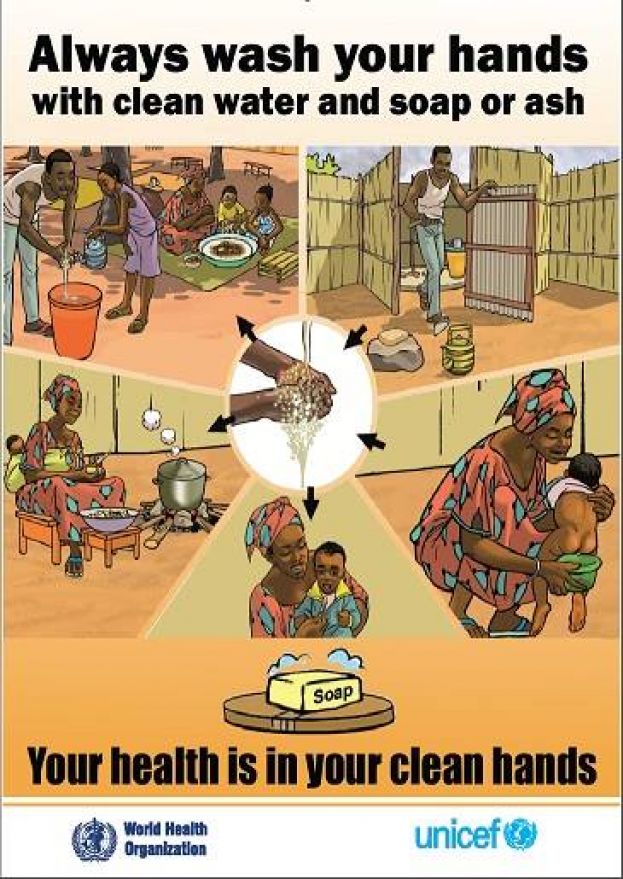
Health workers have been mobilized to sensitize communities on the causes, spread and prevention of the communicable disease since the outbreak was first reported in April this year.,
In May, South Sudanese authorities declared a cholera outbreak in Juba, Central Equatoria State, after 18 suspected cholera cases and one death had were reported before the disease spread to nine other states.
The Juba teaching hospital was also involved in provision of water and sanitation to various cholera treatment centres, including in Torit and Juba.
The ministry of health put up an emergency free calling centre to report suspected cases of the communicable disease to facilitate emergency response to the situation. The call centres were put up to ensure that suspected cases were isolated and transferred free of charge to Juba Teaching Hospital.
Dr. Llanos Ortiz, MSF Medical Emergency Manager for South Sudan, however regrets that the conflict which broke out in December last year has exacerbated the situation, as refugees were forced to stay in crowded camps for internally displaced persons (IDPs) and protection of civilians (PoC) camps without proper sanitary facilities.
“Cholera is a treatable disease that can be fatal if not diagnosed and treated promptly. It causes severe dehydration that can lead to death in a matter of hours,” Dr. Ortiz said.
He urged the Sudanese authorities to ensure that security was restored so that the communities could easily access health facilities set up to check the spread of the disease.
His plea comes amid fears that thousands of displaced population in congested camps waere vulnerable to infection due to poor hygiene standards at the camps.
“The on-going heavy rains in most parts of south Sudan wash faeces into drinking water sources, that encourage the oral-faecal transmission cycle, which allows communicable diseases like cholera to spread fast,” he lamented.
World Health Organization reports indicate that an estimated 3-5 million cases and 100,000 - 120,000 deaths annually have been attributed to outbreak of cholera and the trend is worse in developing nations.
BLOG COMMENTS POWERED BY DISQUS